The Art of Precision: Exploring Metal Wall Art and DXF Files
In the world of modern home décor, Metal Wall Art has emerged as a stylish and timeless choice for those who want to add elegance and personality to their living spaces. With the combination of creativity and technology, metal artwork has evolved far beyond traditional forms. Today, digital design files such as DXF Files play a crucial role in crafting detailed, precise, and customizable metal pieces that truly stand out.
The Rise of Metal Wall Art
Over the past decade, Metal Wall Art has transformed from a niche design element into a mainstream décor trend. Its versatility, durability, and aesthetic appeal make it a perfect fit for both residential and commercial spaces. Whether it’s a sleek geometric pattern, a nature-inspired motif, or an abstract piece, metal art enhances the look of any wall while reflecting personal style.
One of the main reasons behind its popularity is the material’s flexibility. Metal can be cut, bent, engraved, and polished into countless designs. Unlike paintings or wooden art, metal pieces offer a three-dimensional texture and a reflective finish that catches light beautifully. These characteristics give metal artwork a unique presence that draws attention in any room.
The Role of DXF Files in Metal Art Design
Behind every stunning piece of Metal Wall Art, there’s a layer of digital precision. This is where DXF Files—short for Drawing Exchange Format—come into play. DXF is a universal CAD (Computer-Aided Design) file format that allows designers and machines to communicate seamlessly.
When an artist or designer creates a design on CAD software, they save it as a DXF file. This file contains detailed instructions that can be read by cutting machines such as CNC (Computer Numerical Control) plasma cutters, laser cutters, or waterjet machines. These machines then translate the digital blueprint into physical form with unmatched accuracy.
Without DXF Files, it would be nearly impossible to achieve the level of intricacy seen in modern metal artworks. From delicate floral patterns to complex mandalas and personalized name signs, DXF-based designs ensure each curve and edge is cut precisely, resulting in a flawless finish.
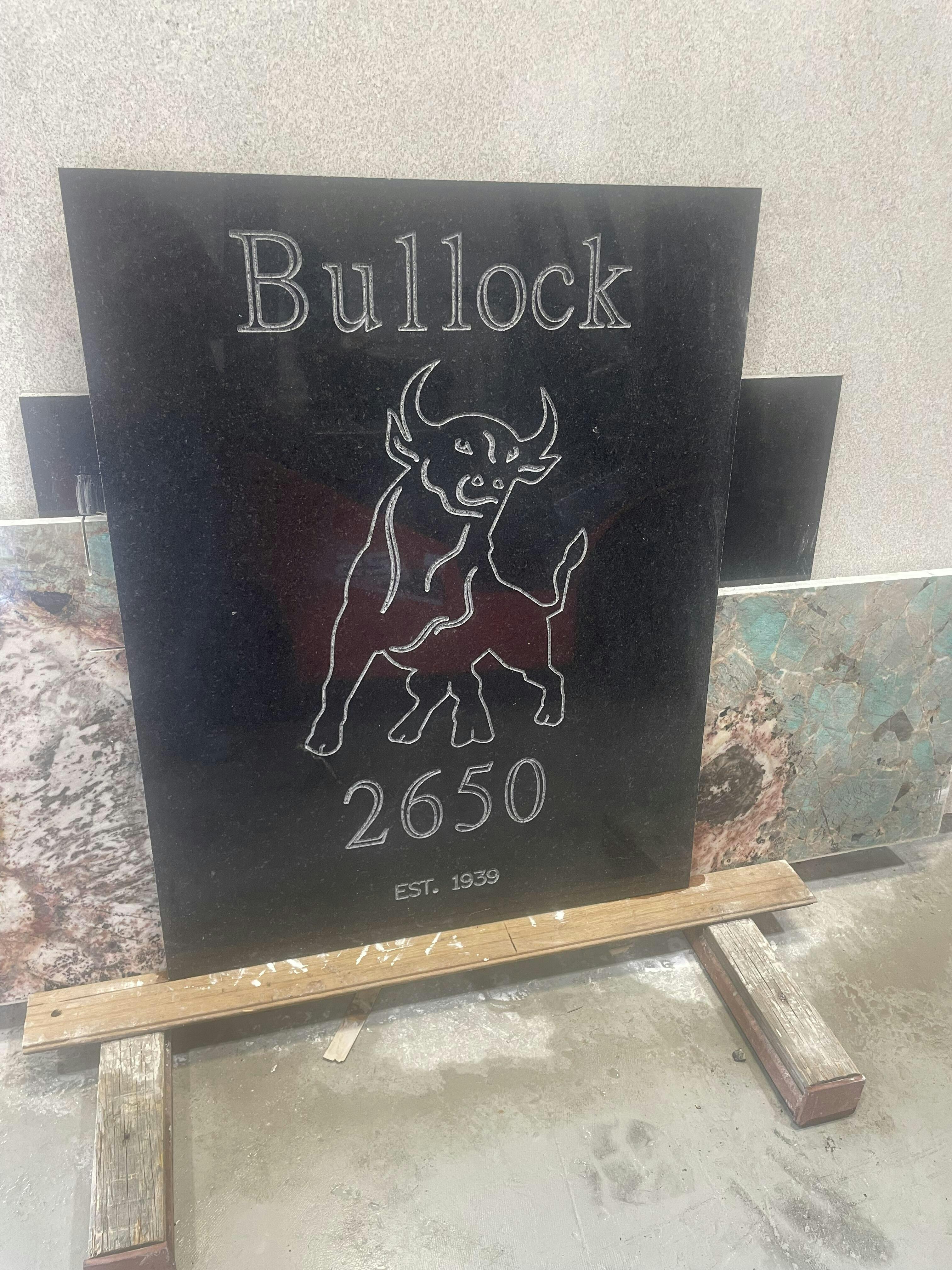
Why Artists Love DXF Files
DXF Files have become a game-changer for metal artists and fabricators. Here are a few reasons why:
Precision and Consistency:
DXF Files eliminate human error. Every cut and curve follows exact digital coordinates, ensuring the final product perfectly matches the original design.Customization:
Clients can request unique designs that reflect their tastes—whether it’s a family name sign, a company logo, or an abstract concept. Artists can easily modify DXF Files to fit specific dimensions, shapes, or materials.Time Efficiency:
Traditional metal cutting required manual effort and hours of labor. With DXF-based CNC cutting, the process becomes faster and more efficient, allowing artists to focus more on creativity than on manual execution.Compatibility:
DXF is a universal format supported by most CAD and cutting software. This means artists can share, sell, and reuse their designs effortlessly across different platforms.
The Perfect Blend of Art and Technology
The collaboration between technology and artistry has redefined how Metal Wall Art is created. Artists now use digital tools to experiment with intricate patterns that were once impossible to achieve by hand. The digital-to-physical transition made possible by DXF Files has opened endless opportunities for creative expression.
Imagine an artist sketching a tree silhouette on CAD software, saving it as a DXF file, and then using a CNC plasma cutter to bring that sketch to life in metal. The result is a durable, elegant piece that combines human creativity with machine precision.
This blend of artistry and technology also ensures sustainability. Since DXF-based cutting minimizes material waste, it supports eco-friendly production practices—a growing priority in modern manufacturing.
Metal Wall Art for Every Space
Another reason Metal Wall Art continues to dominate interior design trends is its adaptability. Whether you prefer rustic charm, industrial aesthetics, or minimal modern décor, metal artwork fits perfectly in every theme.
Living Rooms: Large statement pieces like world maps, abstract designs, or floral panels make bold focal points.
Bedrooms: Personalized nameplates or romantic motifs add warmth and identity.
Offices: Corporate logos or motivational quotes in metal exude professionalism and style.
Outdoor Spaces: Weather-resistant metal art, such as garden silhouettes or patio panels, enhances exterior beauty.
Thanks to DXF Files, these designs can be resized, reconfigured, or reproduced without compromising detail or quality.
The Future of Metal Wall Art
As technology continues to advance, the possibilities for Metal Wall Art will only expand. New laser technologies, AI-assisted design tools, and 3D metal printing will further push the boundaries of creativity. Designers are already experimenting with layered DXF designs, multi-material combinations, and interactive wall art that incorporates lighting or motion sensors.
In the future, homeowners may even be able to design their own custom metal artwork online using intuitive DXF editing tools, bringing personal creativity directly into the manufacturing process.
Conclusion
Metal Wall Art is more than decoration—it’s a fusion of creativity, technology, and craftsmanship. Through the use of DXF Files, artists can translate intricate digital designs into stunning, tangible masterpieces that enhance any space. The precision and flexibility offered by DXF technology empower both artists and customers to explore endless design possibilities.
As this digital-artistic partnership continues to evolve, one thing is clear: metal artwork will remain a powerful medium of expression, bridging the gap between modern innovation and timeless beauty.


Comments
Post a Comment