The Beauty and Precision of Metal Wall Art with DXF Files
In recent years, Metal Wall Art has transformed from a niche decor choice into a powerful design statement that defines modern interiors and exteriors. Homeowners, designers, and artists alike have embraced this creative form for its blend of durability, precision, and artistic flair. One key factor driving the popularity of custom metal artwork is the use of DXF Files — a digital format that enables precise design and flawless execution. Let’s explore how these two elements come together to create breathtaking pieces of art.
What Is Metal Wall Art?
Metal Wall Art refers to decorative pieces made from metals such as steel, aluminum, brass, or copper. These artworks can range from minimalist geometric designs to intricate patterns depicting nature, animals, or abstract concepts. Unlike traditional paintings or wooden wall decor, metal art adds a sleek, industrial edge to any space, making it perfect for modern, rustic, or contemporary interiors.
Metal art is not just visually stunning — it’s also long-lasting. Resistant to fading, cracking, and warping, it retains its luster for years. Whether used indoors or outdoors, it withstands changing weather conditions while maintaining its original beauty. This makes metal wall art both a design investment and a durable decor choice.
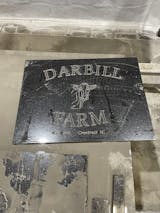
The Role of DXF Files in Metal Wall Art Design
When you see a perfectly symmetrical tree silhouette or a detailed mandala cut into a metal panel, you’re witnessing the magic of DXF Files in action. DXF stands for Drawing Exchange Format, a file type developed by Autodesk for CAD (Computer-Aided Design) software. It allows seamless data exchange between different design tools, ensuring that every curve and line of a design is precisely rendered during cutting or engraving.
Artists and fabricators use DXF files to create digital blueprints of their designs. These files are then fed into CNC machines, plasma cutters, or laser cutters to produce highly detailed metal pieces. The precision of DXF-based design ensures that what you see on screen is exactly what you get in metal.
Why DXF Files Are Essential for Metal Wall Art
Accuracy and Detail:
DXF files enable exact scaling, ensuring that even the most intricate designs — such as floral patterns or fine lettering — are cut with absolute precision. This is especially important for complex metal wall art that demands attention to detail.Customization Made Easy:
Designers can quickly modify DXF files to match customer specifications. Whether it’s resizing an art piece, changing a font, or adding a family name, edits are simple and efficient.Compatibility with Cutting Machines:
Most CNC, plasma, and laser cutters directly read DXF files, making them an industry standard. This universal compatibility speeds up production and reduces error rates.Reusability:
Once created, DXF files can be reused for multiple projects. Artists often build digital libraries of designs that can be reproduced, scaled, or adapted for future commissions.
From Design to Reality: The Creation Process
The creation of Metal Wall Art through DXF files involves several well-coordinated steps:
Concept and Design:
An artist sketches a concept or uses CAD software to draw a digital design. This design is then saved in DXF format.Material Selection:
Depending on the desired look, metals like mild steel, stainless steel, or aluminum are chosen. The finish — matte, brushed, or powder-coated — adds the final aesthetic touch.Cutting and Fabrication:
The DXF file is uploaded to a CNC or laser cutter, which follows the exact digital pattern to cut or engrave the design into the metal sheet.Finishing Touches:
After cutting, the metal piece is cleaned, polished, and coated. Optional color treatments or patinas can be applied to enhance visual appeal.Installation:
Finally, the piece is mounted on walls using hidden brackets or spacers, giving it a floating 3D appearance.
Creative Uses of Metal Wall Art
The versatility of metal art is what makes it stand out. Here are some popular applications:
Home Interiors: Living rooms, bedrooms, and hallways adorned with nature-inspired or abstract metal art pieces.
Outdoor Decor: Garden walls, gates, and patios enhanced with weather-resistant steel panels.
Corporate Spaces: Office lobbies and meeting rooms featuring custom logo designs or motivational quotes.
Gifts and Personal Art: Personalized monograms, nameplates, or family crests cut from metal make for unique, lasting gifts.
The Future of Metal Wall Art and DXF Design
The combination of Metal Wall Art and DXF Files continues to evolve as technology advances. With 3D modeling, AI-assisted design tools, and automated CNC fabrication, artists are pushing creative boundaries further than ever before. What once required hours of manual craftsmanship can now be designed digitally and produced with near-perfect accuracy in a fraction of the time.
Moreover, platforms offering free or paid DXF file downloads have democratized metal art design. Even hobbyists with access to small CNC machines can now create professional-quality wall art from home.
Final Thoughts
The fusion of artistic creativity and digital precision has given birth to a new era of Metal Wall Art. Through the use of DXF Files, designers can bring to life intricate, customized, and perfectly crafted pieces that enhance any environment. Whether you’re decorating a modern apartment, a cozy farmhouse, or a sleek corporate space, metal art offers timeless appeal — and with DXF technology, that art is now more accessible and accurate than ever before.
In essence, metal wall art is more than just decoration — it’s where craftsmanship meets innovation, turning cold metal into warm, expressive works of art.


Comments
Post a Comment