Metal Wall Art and DXF Files: Transforming Creative Ideas into Stunning Décor
In the world of modern interior and exterior design, Metal Wall Art has emerged as a powerful way to express personality, creativity, and craftsmanship. From minimalist geometric patterns to intricate nature-inspired designs, metal wall décor offers durability, elegance, and a contemporary aesthetic that few other materials can match. Behind many of these striking designs lies an essential digital component: DXF Files. Together, metal wall art and DXF files form the backbone of custom fabrication, CNC cutting, and laser-based artistry.
What Makes Metal Wall Art So Popular?
Metal wall art stands out because of its versatility and longevity. Unlike canvas or wooden décor, metal pieces resist warping, fading, and wear, making them suitable for both indoor and outdoor spaces. Homeowners, architects, and designers increasingly prefer metal wall art for living rooms, offices, restaurants, hotels, and even garden spaces.
Another reason for its popularity is customization. Whether it’s a family name, abstract pattern, religious symbol, or corporate logo, metal wall art can be tailored to fit any theme or brand identity. This level of personalization is where digital design files play a crucial role.
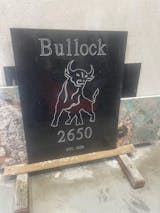
Understanding DXF Files in Metal Wall Art
DXF Files (Drawing Exchange Format) are vector-based design files widely used in CNC machines, laser cutters, and plasma cutting systems. In metal fabrication, DXF files act as the blueprint that guides machines to cut, engrave, or shape metal sheets with extreme precision.
For metal wall art creators, DXF files ensure:
Accuracy: Clean lines and precise dimensions
Scalability: Designs can be resized without losing quality
Compatibility: Works across multiple CNC and laser cutting platforms
Efficiency: Faster production with minimal material waste
Without well-prepared DXF files, even the most creative metal wall art ideas can fail during fabrication.
How Metal Wall Art Is Created Using DXF Files
The journey from concept to finished metal wall art typically follows a structured process:
Design Concept
The artist or designer creates a concept based on customer requirements, space, and style preferences.Digital Design Creation
The concept is converted into a vector design using CAD or graphic design software. This design is saved as a DXF file, ensuring machine-readability.Material Selection
Common materials include mild steel, stainless steel, aluminum, and corten steel. The choice affects weight, finish, and durability.CNC or Laser Cutting
The DXF file is uploaded to the cutting machine, which precisely cuts the metal sheet according to the design.Finishing and Installation
The cut metal wall art is polished, powder-coated, painted, or treated for rust resistance before being installed.
Each step relies heavily on the accuracy of DXF files, making them indispensable in professional metal wall art production.
Benefits of Using DXF Files for Custom Metal Wall Art
Using DXF files offers significant advantages for both manufacturers and customers:
Creative Freedom: Designers can experiment with complex patterns and intricate details.
Repeatability: Popular designs can be reproduced consistently without variation.
Cost Control: Efficient cutting reduces material wastage and production time.
Global Collaboration: DXF files can be shared digitally, enabling designers and fabricators to work together from different locations.
For businesses selling metal wall art online, DXF files also open opportunities to offer downloadable designs for DIY makers and fabrication shops.

Applications of Metal Wall Art Made from DXF Files
Metal wall art created using DXF files is used across various sectors:
Residential Décor: Living rooms, bedrooms, balconies, and staircases
Commercial Spaces: Offices, cafes, hotels, and retail stores
Outdoor Installations: Gardens, gates, boundary walls, and signage
Branding Elements: Company logos and customized corporate art
The combination of metal wall art and DXF files allows designs to be both artistic and functional.
Choosing the Right DXF Files for Metal Wall Art
When selecting or creating DXF files for metal wall art, quality matters. Files should be clean, properly layered, and free of overlapping lines. Poorly designed DXF files can lead to cutting errors, increased costs, and unsatisfactory finishes. Many professionals either design their own DXF files or purchase them from trusted designers who specialize in metal fabrication-ready artwork.
The Future of Metal Wall Art Design
As CNC and laser cutting technologies continue to evolve, metal wall art will become even more detailed and accessible. DXF files will remain central to this evolution, enabling faster customization, automation, and creative experimentation. With growing demand for personalized décor, the synergy between metal wall art and DXF files is set to shape the future of architectural and interior design.
Final Thoughts
Metal wall art represents the perfect blend of strength and beauty, while DXF files provide the digital precision needed to bring those designs to life. Whether you are a homeowner looking for unique décor, a designer crafting custom pieces, or a fabricator using CNC machines, understanding the role of DXF files in metal wall art is essential. Together, they turn raw metal into timeless works of art that elevate any space.


Comments
Post a Comment